 Reviews

 Proudly American

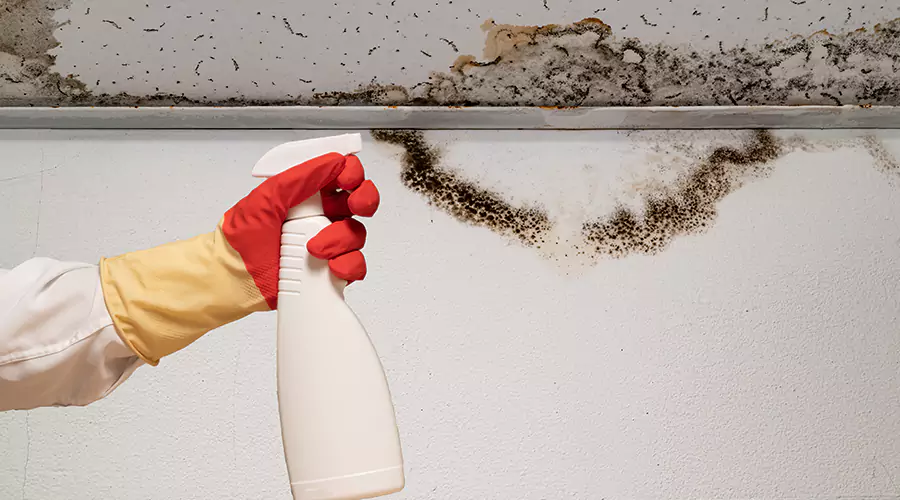
Mold that keeps coming back after cleaning usually means the real problem has not been fixed. Many homeowners wipe away visible mold with sprays, bleach, or household cleaners, only to see it return days or weeks later. This can be frustrating, especially when the area looks clean for a short time.
The truth is that mold is often a moisture problem, not just a cleaning problem. If the source of moisture remains, mold can grow again on walls, ceilings, cabinets, windows, bathrooms, basements, or flooring. Cleaning the surface may remove what you can see, but it may not remove hidden mold or the damp conditions that caused it.
Understanding why mold keeps coming back after cleaning can help homeowners stop the cycle and protect their property from long term damage.
Mold Comes Back When Moisture Remains
Mold needs moisture to grow. If mold returns after cleaning, there is usually still moisture in the area. This moisture may come from a leak, condensation, humidity, poor ventilation, water damage, or damp building materials.
Common moisture sources include:
- Leaking pipes
- Roof leaks
- Window leaks
- Bathroom humidity
- Basement moisture
- Condensation on walls or windows
- Appliance leaks
- Wet drywall
- Water under flooring
- Poor ventilation
Unless the moisture source is fixed, mold may continue returning no matter how often you clean it.
Surface Cleaning Does Not Always Remove the Root Problem
Many mold cleaning methods only treat the visible surface. This may work for a very small area on a hard, non porous surface, such as tile or glass. However, mold often grows deeper when it affects porous materials.
Porous materials can absorb moisture and allow mold to grow inside, not just on top. These materials include drywall, insulation, carpet, wood, ceiling tiles, and fabric.
If mold is growing inside the material, wiping the surface will not solve the problem. The area may look clean briefly, but the mold can return because the contamination and moisture are still present below the surface.
Hidden Mold May Be Behind the Wall
Sometimes the mold you see is only a sign of a larger hidden problem. Mold may be growing behind drywall, under flooring, above ceilings, inside cabinets, or around insulation. This often happens after water damage or long term leaks.
For example, a small mold spot near a baseboard may mean moisture is trapped inside the wall. Mold around a ceiling stain may mean water entered from a roof leak or plumbing line above. Mold inside a cabinet may be connected to a slow sink leak.
If mold keeps returning in the same place, there may be hidden moisture behind the visible surface.
Poor Ventilation Can Keep Mold Coming Back
Mold often returns in bathrooms, laundry rooms, kitchens, basements, and closets because these areas may have poor airflow. When humid air cannot escape, moisture stays on walls, ceilings, windows, and surfaces.
Bathrooms are especially common problem areas. Hot showers create steam, and if the exhaust fan is weak or not used long enough, moisture stays in the room. Over time, mold may return on ceilings, grout lines, walls, and around windows.
Improving ventilation can help reduce recurring mold. This may include using exhaust fans, opening doors when safe, improving airflow, and using dehumidifiers in damp areas.
High Indoor Humidity Can Feed Mold Growth
Even without an active leak, high humidity can create mold problems. Basements, crawl spaces, and poorly ventilated rooms often hold extra moisture. When indoor humidity stays high, mold can grow on walls, furniture, stored items, and other surfaces.
Signs of high humidity include condensation on windows, damp smells, sticky indoor air, musty closets, and mold returning in multiple areas.
A dehumidifier can help in some situations, but the source of humidity should also be identified. Basement seepage, poor drainage, wet crawl spaces, and HVAC problems may need attention.
Cleaning With the Wrong Products Can Make Mold Return
Some cleaning methods may remove stains but not solve the mold problem. Bleach is commonly used, but it may not be effective on porous materials because it often stays near the surface. The deeper moisture and mold roots may remain inside the material.
Using too much water while cleaning can also add moisture to the area, which may make the problem worse. Scrubbing mold without containment can spread spores to nearby surfaces.
The right cleaning approach depends on the material, the amount of mold, and whether moisture is still present.
Mold May Return After Water Damage
If water damage was not dried properly, mold may keep coming back. Water can hide under floors, behind walls, in insulation, under carpet padding, and inside cabinets. Even if the surface looks dry, hidden moisture can remain.
After water damage, watch for:
- Musty odors
- Stains on walls or ceilings
- Soft drywall
- Warped flooring
- Swollen baseboards
- Damp carpet smell
- Mold spots near the damaged area
A professional moisture inspection can help confirm whether water is still trapped inside the property.
Mold Can Return If Damaged Materials Are Not Removed
Some mold damaged materials cannot be cleaned effectively. If drywall, insulation, carpet padding, or ceiling materials are heavily affected, they may need removal. Keeping these materials in place can allow mold to return.
This is common when mold grows after flooding, sewage backups, roof leaks, or long term plumbing leaks. In these cases, cleaning the surface may hide the problem temporarily while the affected material continues to hold moisture and mold.
A mold remediation company can decide what can be cleaned and what needs to be removed.
When Mold Remediation Is Needed
Mold remediation may be needed when mold keeps returning, covers a larger area, smells musty, affects porous materials, or appears after water damage. Remediation is different from simple cleaning because it focuses on the source, containment, removal, cleaning, drying, and prevention.
Professional mold remediation may include:
- Moisture inspection
- Finding the source of the problem
- Containment of affected areas
- Air filtration
- Removal of damaged materials
- Cleaning and sanitizing
- Drying and humidity control
- Repairs when needed
The goal is to stop the conditions that allow mold to keep growing.
How Homeowners Can Help Prevent Mold From Returning
Homeowners can reduce the chance of recurring mold by controlling moisture and improving airflow.
Helpful steps include:
- Fix leaks quickly
- Use bathroom exhaust fans
- Keep humidity under control
- Dry wet areas right away
- Check under sinks regularly
- Keep gutters and drainage working
- Avoid storing items against damp walls
- Clean and dry after small spills
- Call professionals after serious water damage
If mold keeps returning despite cleaning, do not keep repeating the same surface treatment. Find the moisture source.
Final Thoughts
Mold keeps coming back after cleaning because the source of moisture is still present, hidden mold remains, porous materials are affected, or ventilation is poor. Surface cleaning may remove visible mold for a short time, but it will not solve the problem if damp conditions continue.
If mold returns in the same area, smells musty, appears after water damage, or affects drywall, flooring, insulation, or cabinets, schedule a professional inspection. Finding and fixing the moisture source is the key to stopping mold from coming back and protecting your home from further damage.